
Getting Started
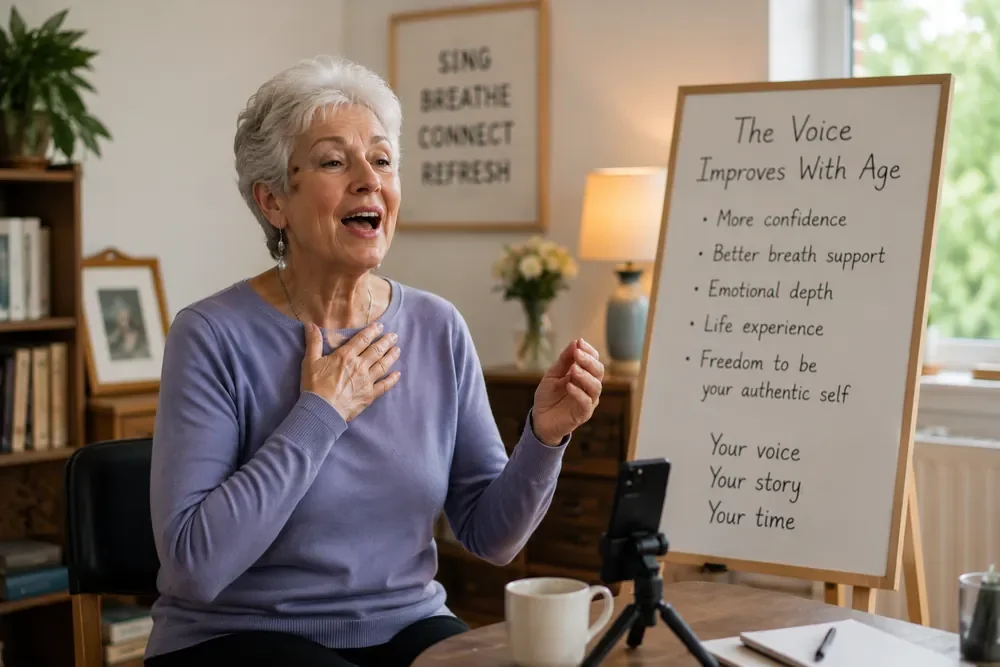
Can Anyone Learn to Sing? Yes, at Any Age
Yes, almost anyone can learn to sing. Genuine tone deafness affects about 1.5% of people; everyone else has an untrained voice. Here is how to start, at any age.
Warm-ups, breathing, confidence and vocal-health tips for women coming back to singing after years away, from vocal coach Ingrid Moss.
Getting Started
Yes, almost anyone can learn to sing. Genuine tone deafness affects about 1.5% of people; everyone else has an untrained voice. Here is how to start, at any age.
Registers & Tone
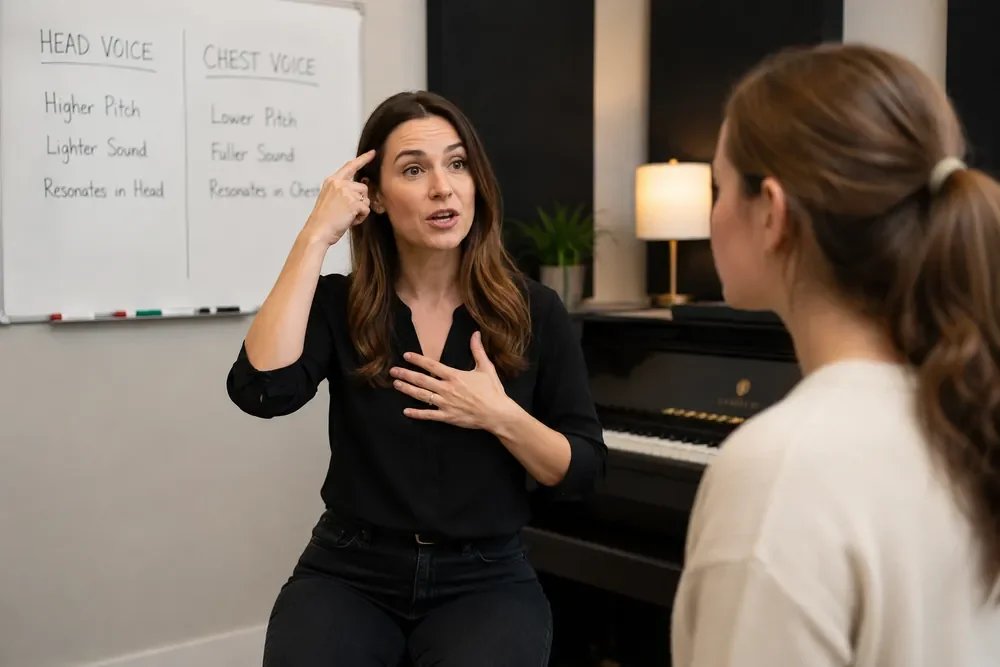
Chest voice, head voice, and the crack in between, explained in plain language for women coming back to singing, with three five-minute exercises to smooth the break.
Vocal Technique
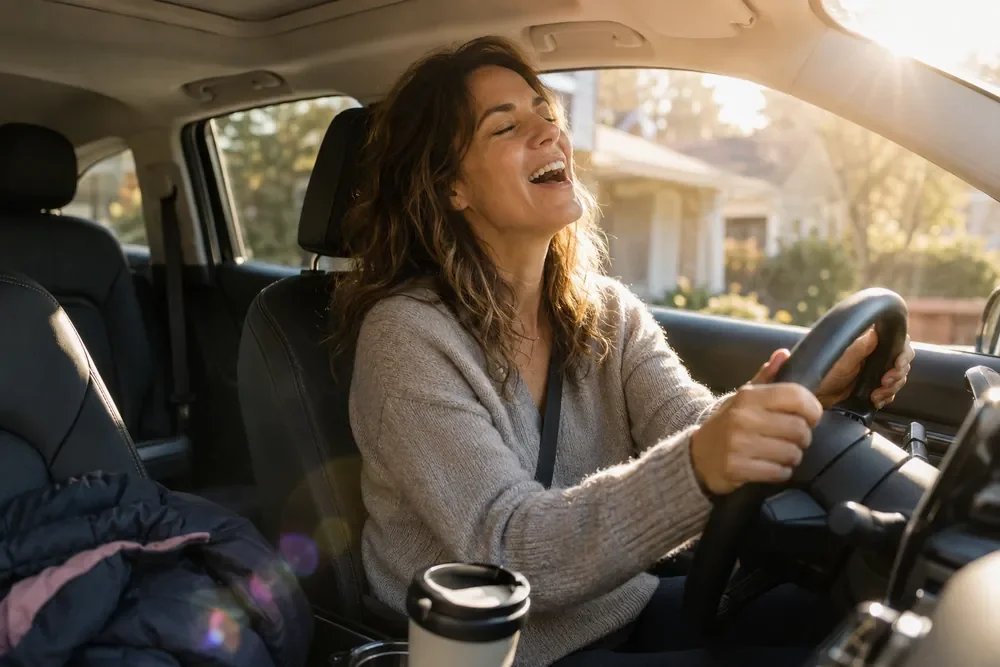
You don’t need an empty house to practice singing. Eight realistic windows already in your day, four near-silent exercises, and a ten minute routine that works around nap times and school runs.
Getting Started
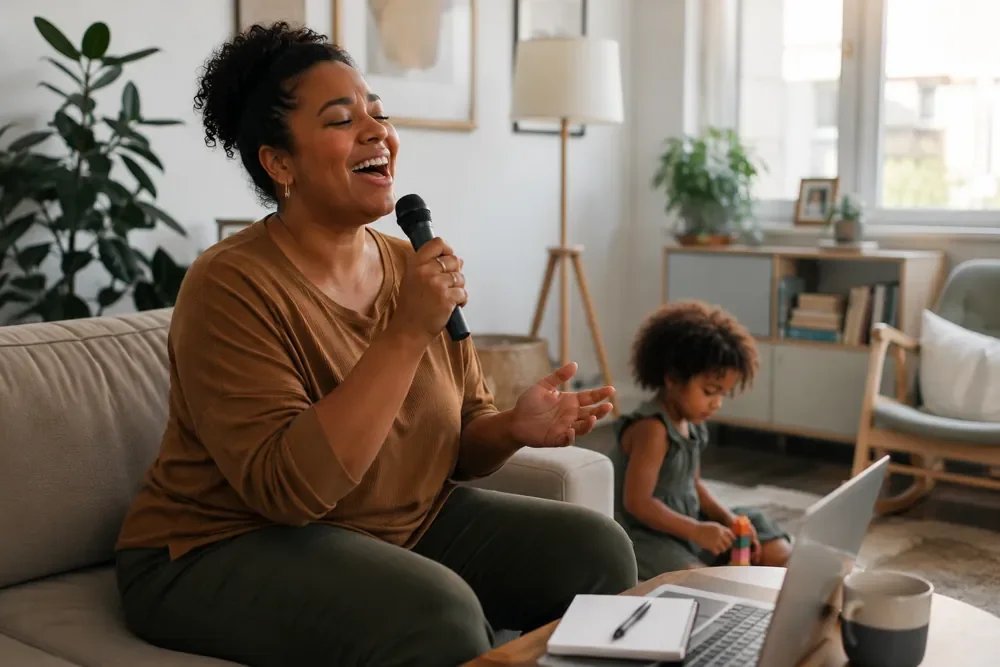
A gentle four-week plan for starting to sing again after kids: five minutes a day, built for a life where an eight-minute gap counts as free time.
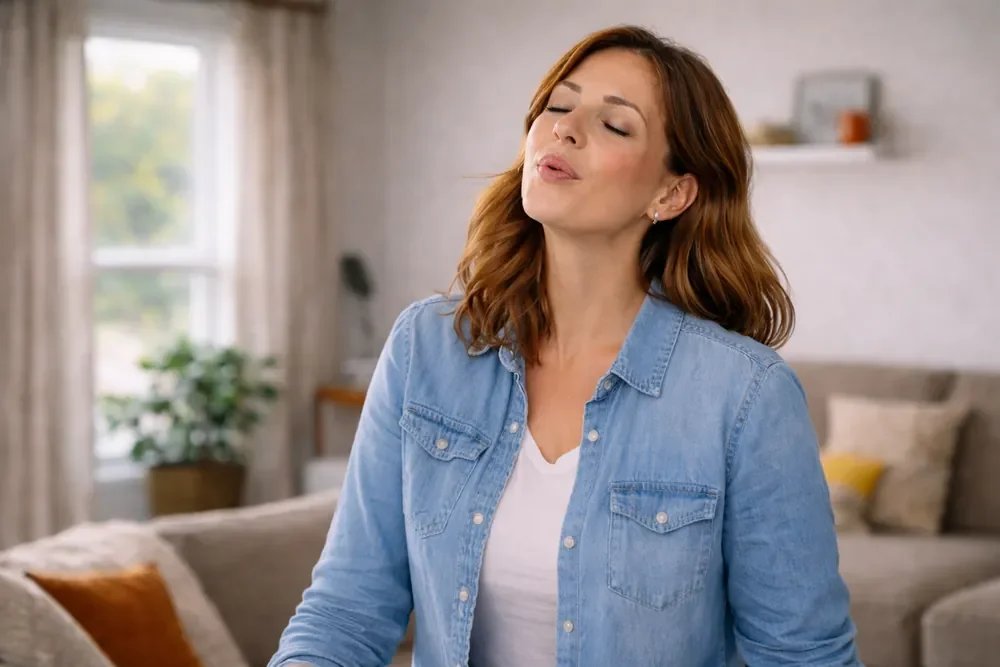
Warm-Ups & Exercises
Humming is the gentlest way to wake up a singing voice. Seven exercises, five minutes, no piano needed, and a ten-second fix for each of the most common mistakes.
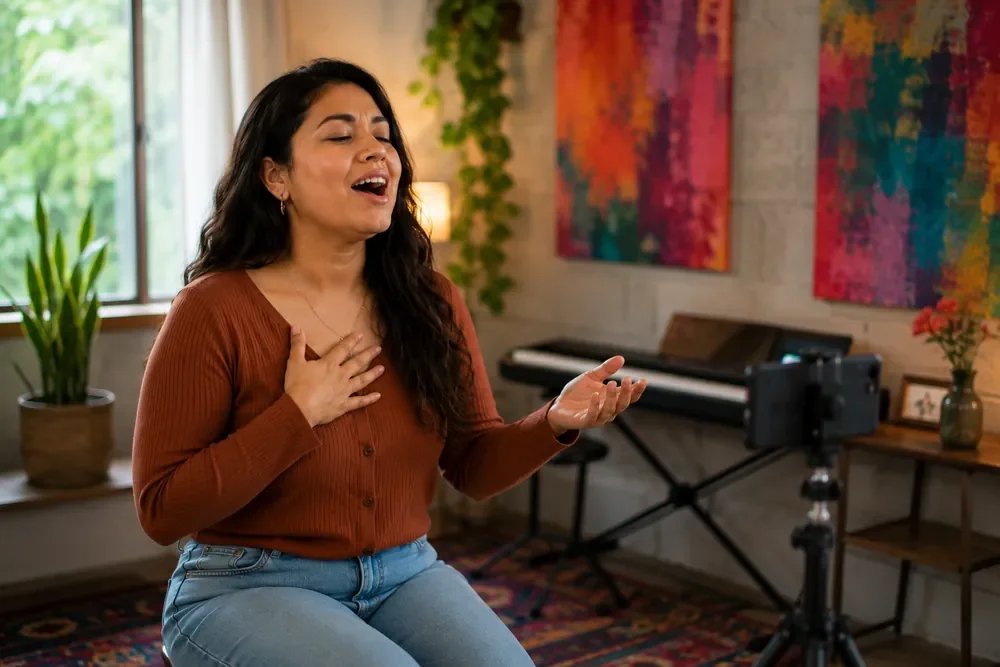
Confidence & Wellbeing
Confidence is a skill, not a personality trait. Seven habits from 25 years of coaching, plus a separate toolkit for stage fright.

Getting Started
If your singing voice sounds different after years away, you are not imagining it. Hormones, age, and plain disuse all change the sound, and almost all of it can be rebuilt.
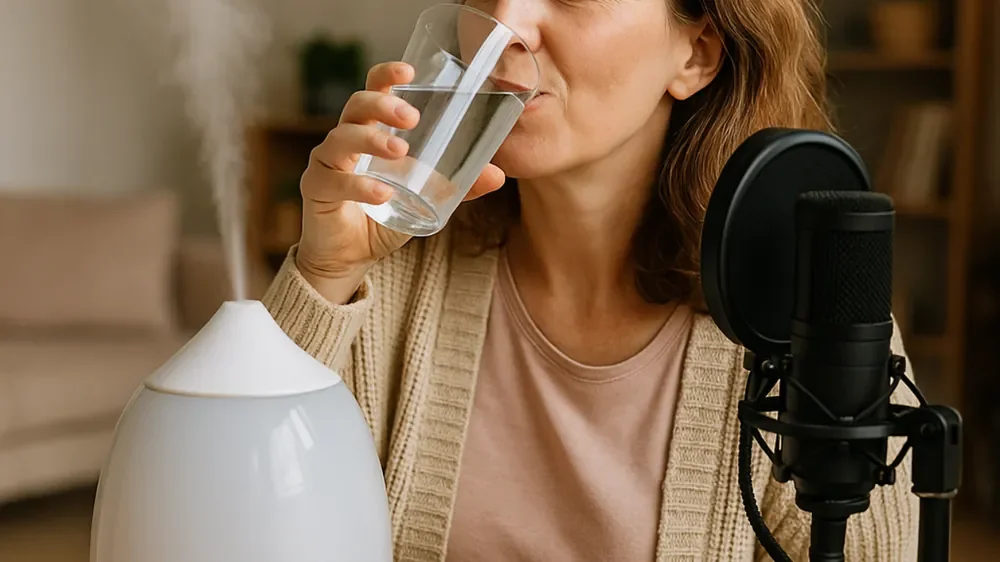
Vocal Health
Your voice works a full day before you ever sing a note. Seven habits that protect it: real hydration numbers, reflux fixes, strategic silence, and the checkup most women skip.